BACK PAIN & STIFFNESS

Help for painful or stiff backs.

Simple exercises and practical advice to help you move more comfortably and stay active.

What is bothering you today?

Choose a topic below. Each routine shows simple exercises you can do at home.

Lower back pain when you first get up?

Common Questions

Why does my lower back hurt when I first get out of bed?

Your back and surrounding muscles may feel stiff after several hours of rest. This can make your first movements uncomfortable, particularly if you already have back pain. Gentle movement often helps you feel more comfortable.

Should I stretch my back before getting out of bed?

Gentle movements can help, but you don't need to force a stretch. Try slowly moving your knees from side to side or gently bending and straightening your legs, as long as these movements feel comfortable.

What is the easiest way to get out of bed with back pain?

Try rolling onto your side first. Then lower your legs over the edge of the bed while using your arms to help push yourself into sitting. Take a moment before standing.

Is morning back stiffness normal as I get older?

Some stiffness after rest is common, but persistent or worsening pain should not simply be dismissed as ageing. If your symptoms regularly affect your mornings or daily activities, arrange an assessment.


Lower back pain when walking? 

Common Questions

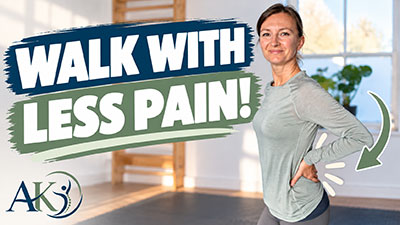
Why does my lower back start hurting when I walk?

Walking places repeated demands on your back, hips and leg muscles. Pain can have several causes, including reduced physical tolerance, joint problems or irritation of nerves. An assessment can help identify what is contributing to your symptoms.

Should I keep walking if my back starts hurting?

Walking is often helpful, but you shouldn't force yourself through worsening pain. Try shorter distances, take breaks when needed and gradually build up what you can comfortably manage.

Why does my back feel better when I sit down?

Sitting changes the position of your spine and reduces the demands of standing and walking. Some people with spinal stenosis, a narrowing around the nerves in the spine, find that sitting or leaning forward eases their symptoms. This pattern is worth discussing with a physiotherapist or GP/ doctor.

Can exercises help me walk for longer without back pain?

They can. Exercises that improve strength, mobility and walking tolerance may help you stay active for longer. The most useful exercises depend on what is causing your symptoms.


Sciatica and pain travelling down the leg?

Common Questions

What is sciatica, and why does pain travel down my leg?

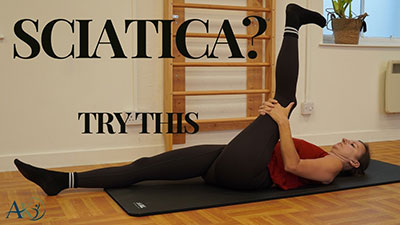
Sciatica happens when a nerve supplying your leg becomes irritated or compressed, often in the lower back. It can cause pain traveling into your buttock or leg, sometimes with tingling, numbness or weakness.

Should I rest or keep moving when I have sciatica?

Gentle movement and staying as active as your symptoms allow are usually better than prolonged bed rest. Start with comfortable activities and take breaks when needed. Avoid movements that repeatedly make your leg symptoms worse.

Is it normal to feel tingling or numbness with sciatica?

Tingling or numbness can occur with sciatica, but new or increasing numbness or weakness needs medical assessment. Seek emergency care if you develop new bladder or bowel control problems, numbness around your genitals or bottom, or severe or worsening weakness in both legs.

How long does sciatica usually take to improve?

Many people improve gradually over several weeks, although recovery can take longer. If your symptoms are worsening, significantly affecting your walking or not improving, seek an assessment rather than simply waiting.


Getting up from the floor with back pain? 

Common Questions

Is it safe to get down onto the floor if I have back pain?

For many people, yes, provided they can move safely and have enough strength and balance to get back up. Use a stable support and avoid floor exercises if you feel unsteady or are unsure you can rise safely.

What is the easiest way to get up from the floor?

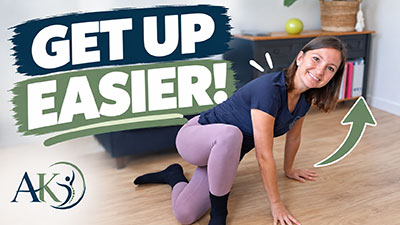
A common method is to move onto your side, then onto your hands and knees, before using a sturdy chair or other stable support to help you stand. The best method depends on your back, knees, balance and strength.

What if I have back pain and painful knees?

You may need to adapt how you get up, especially if kneeling is uncomfortable. Use a stable support and consider practising an alternative technique with a physiotherapist rather than forcing yourself into a painful position.

Can strengthening exercises make getting up from the floor easier?

Yes. Improving your leg, hip and trunk strength, along with balance and practising the movement itself, can make getting up from the floor easier and more controlled over time.


Need individual help? 

Book A Physiotherapy Assessment

Understand what may be contributing to your back pain and get a personalised treatment plan to help you move more comfortably and stay active.

In-Person at AK Evolve, Arbroath, Angus