Lower Back Pain: Why Can I Hardly Walk When I First Get Up?

Lower Back Pain: Why Can I Hardly Walk When I First Get Up?

You wake up, sit on the edge of the bed and stand.

But instead of simply walking to the bathroom, you take small, careful steps. Your lower back feels stiff and you can't quite stand upright.

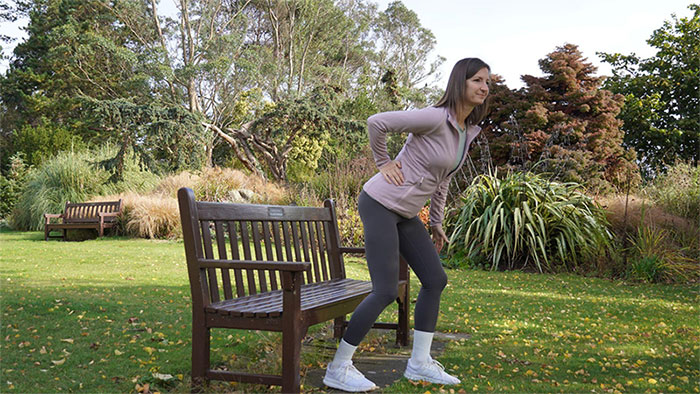
Perhaps you walk slightly bent forwards at first.

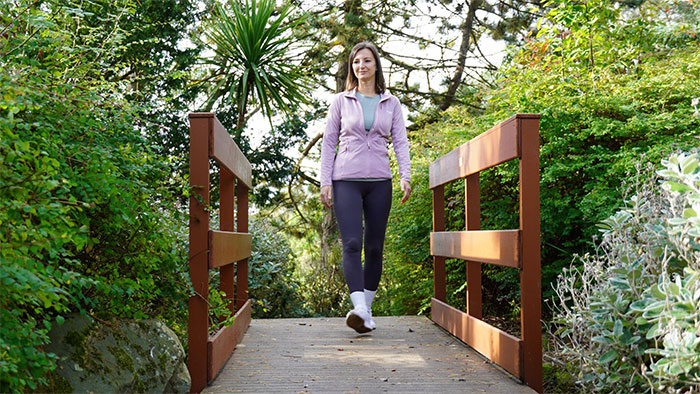
Then, after 10 or 20 minutes of moving around, you start to straighten up and walking becomes easier.

If this sounds familiar, you may be wondering:

“Why can I hardly walk when I first get up, but feel much better once I've been moving?”

I hear this regularly from people in their 50s, 60s and beyond.

And no, I wouldn't simply put it down to getting older.

The Short Answer

After several hours with much less movement, your back can feel stiff when you first get up. Once your back, hips and legs start moving again, walking often becomes easier.

When you first stand, you're suddenly asking your body to straighten, take your weight, balance and walk.

If your back is already stiff or sensitive, those first few movements may be difficult.

That's why you may walk slightly bent forwards or take small steps at first, then gradually straighten as you get moving.

This doesn't automatically mean there is something seriously wrong with your back.

Why Does My Back Feel So Stiff in the Morning?

There isn't always one single reason.

You've Been Moving Less

During the day you walk, bend, turn, sit, stand and regularly change position.

At night there is much less movement.

After several hours of relative rest, your back may simply feel stiffer when you first start moving again.

Your Back and Hip Muscles May Feel Stiff

The muscles around your lower back, hips and legs all contribute to how you stand and walk.

Your hip flexors, hamstrings, glutes and lower-back muscles may feel stiff when you first get moving.

But I wouldn't blame one “tight” muscle.

Your back, hips and legs work together.

Your Back Changes as You Get Older

The discs and small joints in your spine naturally change over time.

Your spinal discs also take up more fluid while you're lying down overnight. This is a normal process and doesn't mean your discs are damaged.

Arthritis and other age-related changes can contribute to stiffness, but morning stiffness alone doesn't tell us exactly what is causing your symptoms.

Why Can't I Stand Up Straight When I First Wake Up?

This is often the part that worries people most.

You stand beside the bed and feel as though you can't straighten properly.

You may walk towards the bathroom slightly bent forwards and then, 10 or 20 minutes later, you're standing much straighter.

Your body has gone from several hours of relative rest to suddenly standing, balancing and walking.

As you start moving, your back and hips move more and the muscles around your back, pelvis and legs start working.

That's one reason those first few steps can be difficult but gradually become easier.

If it regularly takes 30 minutes or longer before you can stand and walk comfortably, or things are getting worse, I would consider having your back assessed.

Is This Just Part of Getting Older?

No.

Our bodies change as we get older, including our spines.

But back pain isn't something you simply have to accept because you're 60, 70 or 80.

Two people of the same age can have very different levels of pain, strength and mobility.

I wouldn't put persistent morning stiffness down to “just my age”.

Sometimes It Isn't Only Your Back

If you're struggling with those first few steps, I wouldn't look only at your lower back.

Stiff hips, painful knees, reduced leg strength or balance problems can all change the way you stand and walk.

If your knees are stiff, for example, you may stay slightly bent when you first stand. If your hip hurts, you may shorten your steps.

Your back, hips and legs need to work together.

That's why helping your back doesn't always mean doing more back exercises. Sometimes hip movement, leg strength and balance matter too.

This is also how I approach exercise inside AK Evolve Move Well 50+.
→ Find out about AK Evolve Move Well 50+

What Can I Do Before I Get Out of Bed?

You don't need a long stretching routine.

Try a few gentle movements before you stand.

Before You Start

Keep the movements comfortable. Don't force a stretch or push into pain.

If an exercise clearly makes your pain worse or causes pain travelling down your leg, numbness or tingling, stop that movement.

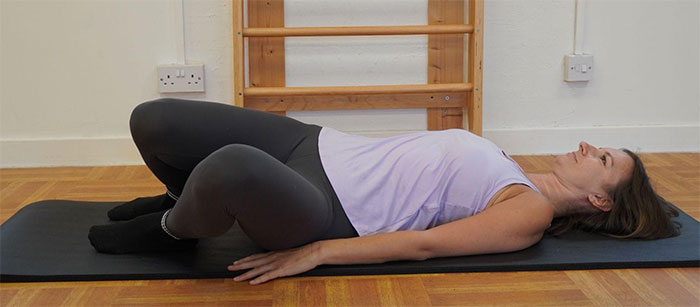
1. Gently Move Your Pelvis

Lie with your knees bent if comfortable.

Gently tilt your pelvis so your lower back moves slightly towards the bed, then relax.

Repeat several times.

2. Move Your Knees Side to Side

With your knees bent, gently move them a little towards one side and then the other.

Keep the movement small and comfortable.

3. Bring One Knee Towards You

Bring one knee gently towards your body and lower it again.

Change sides.

Don't pull hard.

4. Move Your Ankles

Bring one knee gently towards your body and lower it again.

Change sides.

Don't pull hard.

What Else Can Help?

Don't rush out of bed.
Roll onto your side and take your time sitting up.

Move before you stand.
A few gentle movements may make the transition from lying to walking easier.

Keep moving during the day.
Regular movement is usually more useful than repeatedly resting a stiff back.

Work on strength, not only flexibility.
Your hips, legs and trunk need strength for walking, bending, stairs and everyday life.

If these morning movements help, that's a good start.

But if you're experiencing the same problem every morning, four exercises in bed may not be the whole answer.

Your back needs to cope with the rest of your day too.

Want to Continue Exercising With Me?

AK Evolve Move Well 50+ — Online Exercise & Pilates for Adults 50+ is being built for people who want clear, physiotherapist-led exercise without having to work out what to do from hundreds of random videos.

→ Join the AK Evolve Move Well 50+ interest list

When Should I Get My Back Checked?

Consider having your back assessed if:

• stiffness regularly lasts 30 minutes or longer
• your symptoms are getting worse
• pain is stopping you doing normal activities
• you have persistent pain travelling into your leg
• you develop weakness, numbness or significant tingling
• pain regularly wakes you at night
• you feel unwell or feverish
• you are losing weight without trying

Seek urgent medical help if you develop new problems controlling your bladder or bowels, numbness around your genitals or bottom, or significant weakness or numbness affecting both legs.

Don't Let Morning Stiffness Decide Your Day

The problem isn't always just those first few stiff steps.

You start wondering:

“How bad is my back going to be today?”

You avoid bending. You walk carefully. You start changing what you planned to do.

I don't want you to accept that simply because you're getting older.

Your back doesn't need to be perfect for you to keep moving.

Start gently, keep active and work on the movement and strength you need for everyday life.

Your Next Step

If you're regularly struggling to stand upright or changing what you do because of your back, you don't have to simply put up with it.

Local to Arbroath or Angus?

I can assess your back and look at how your back, hips, legs, strength and movement work together.

→ Book a Physiotherapy Assessment at AK Evolve

Prefer to Exercise Online?

Join the interest list for AK Evolve Move Well 50+ — Online Exercise & Pilates for Adults 50+.

→ Join the AK Evolve Move Well 50+ interest list


Disclaimer: This article is for general information and education only and is not a substitute for individual medical advice, diagnosis or physiotherapy assessment. If you are concerned about your symptoms, or they are severe, worsening or persistent, speak to an appropriate healthcare professional.

About the Author

Agata Kolaczyk — Physiotherapist & Clinical Pilates Instructor

Agata is the founder of AK Evolve Physiotherapy & Pilates and has more than 20 years of experience as a physiotherapist. She works with adults who want to stay active, maintain their strength and confidence, and continue doing the things that matter to them as they get older.

More like this

No posts found...