Simple, physiotherapist-led exercises to help you move more easily and stay active in everyday life.
Common Questions
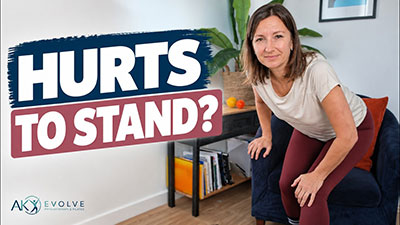
Why do my knees hurt when I stand up from a chair?
Standing up requires your thigh and hip muscles to work hard while your knees take more weight. If your knees are painful or your leg muscles are weaker, getting up can feel uncomfortable or difficult.
Will strengthening my legs make standing up easier?
Standing up requires your thigh and hip muscles to work hard while your knees take more weight. If your knees are painful or your leg muscles are weaker, getting up can feel uncomfortable or difficult.
Is it okay to use my hands to push up from the chair?
Absolutely. Using the armrests is a sensible way to make standing easier while you build strength. Choose a stable chair, place your feet firmly on the floor and take your time.
Should I avoid sit-to-stand exercises if I have knee arthritis?
Usually not. Sit-to-stand exercises can help maintain leg strength and everyday independence. Start with a higher chair or use your hands for support, and adjust the number of repetitions to what your knees can comfortably manage.
Common Questions
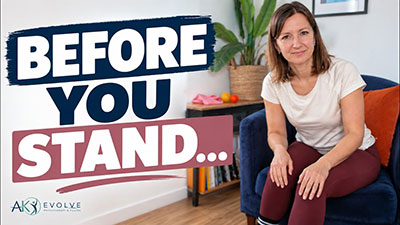
Why do my knees hurt and feel stiff after sitting?
When you sit for a while, your knees and surrounding muscles haven't been moving much. This can make them feel stiff or uncomfortable, especially if you have knee arthritis. Gentle movement often helps ease that stiffness.
Does stiffness after sitting mean I have knee arthritis?
Not necessarily. Knee arthritis is one possible cause, but stiffness can happen for other reasons too. If it keeps happening, becomes painful or affects your daily activities, it's worth having your knee assessed.
Should I move my knees before standing up?
Yes, gentle knee movements while sitting can help prepare your legs for standing. Try slowly bending and straightening your knees, then use the chair for support when you get up.
What if my knee stiffness doesn't improve after a few steps?
Don't force your knee through increasing pain. Try gentle movement within a comfortable range. If the stiffness persists, gets worse or starts affecting your daily activities, arrange an assessment.
Common Questions
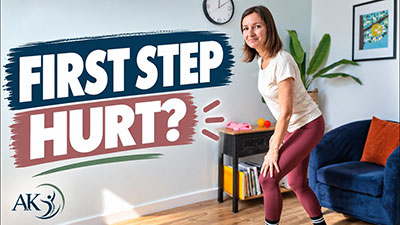
Why do my first few steps hurt the most?
Don't force your knee through increasing pain. Try gentle movement within a comfortable range. If the stiffness persists, gets worse or starts affecting your daily activities, arrange an assessment.
Is it normal for knee pain to ease once I start walking?
Yes, this can happen, particularly with knee arthritis. Your knees may feel painful or stiff after resting, but the discomfort can gradually ease with movement. If the pain becomes more frequent or severe, have your knee assessed.
Should I keep walking if the pain improves after a few steps?
Usually, yes. Gentle walking is often helpful if the discomfort is manageable and settles as you move. Reduce your walking distance if the pain increases or your knee becomes noticeably more painful or swollen afterwards.
When should I get painful first steps checked?
If the pain keeps returning, gets worse or makes you avoid walking, arrange an assessment. Seek urgent medical advice if you suddenly cannot put weight on your leg, or your knee becomes very swollen, hot or red, particularly if you feel unwell.
Common Questions
Why do my knees hurt more when climbing stairs?
Stairs place greater demands on your knee joints and leg muscles than walking on level ground. This can make them uncomfortable, particularly if you have knee arthritis or reduced leg strength.
Why is going downstairs sometimes harder than going upstairs?
When going downstairs, your thigh muscles have to control your body as you lower yourself onto the next step. This can be difficult if your knees are painful or your legs are weaker. Using a handrail and taking one step at a time can help.
How can I make stairs easier when my knees are painful?
Use the handrail and take your time. If needed, go upstairs leading with your less painful leg and downstairs leading with your more painful leg, bringing both feet onto each step. Strengthening your legs can also help over time.
Should I avoid stairs if I have knee arthritis?
Not necessarily. Many people with knee arthritis can continue using stairs, although they may need to adjust how they manage them. Use the handrail, take one step at a time if needed, and avoid repeatedly pushing through worsening pain.

7 days of gentle movement, strengthening and practical advice to help you start moving with more confidence.
Find a cause of your knee pain and get a personalised treatment plan to help you stay active.
In-Person at AK Evolve, Arbroath, Angus